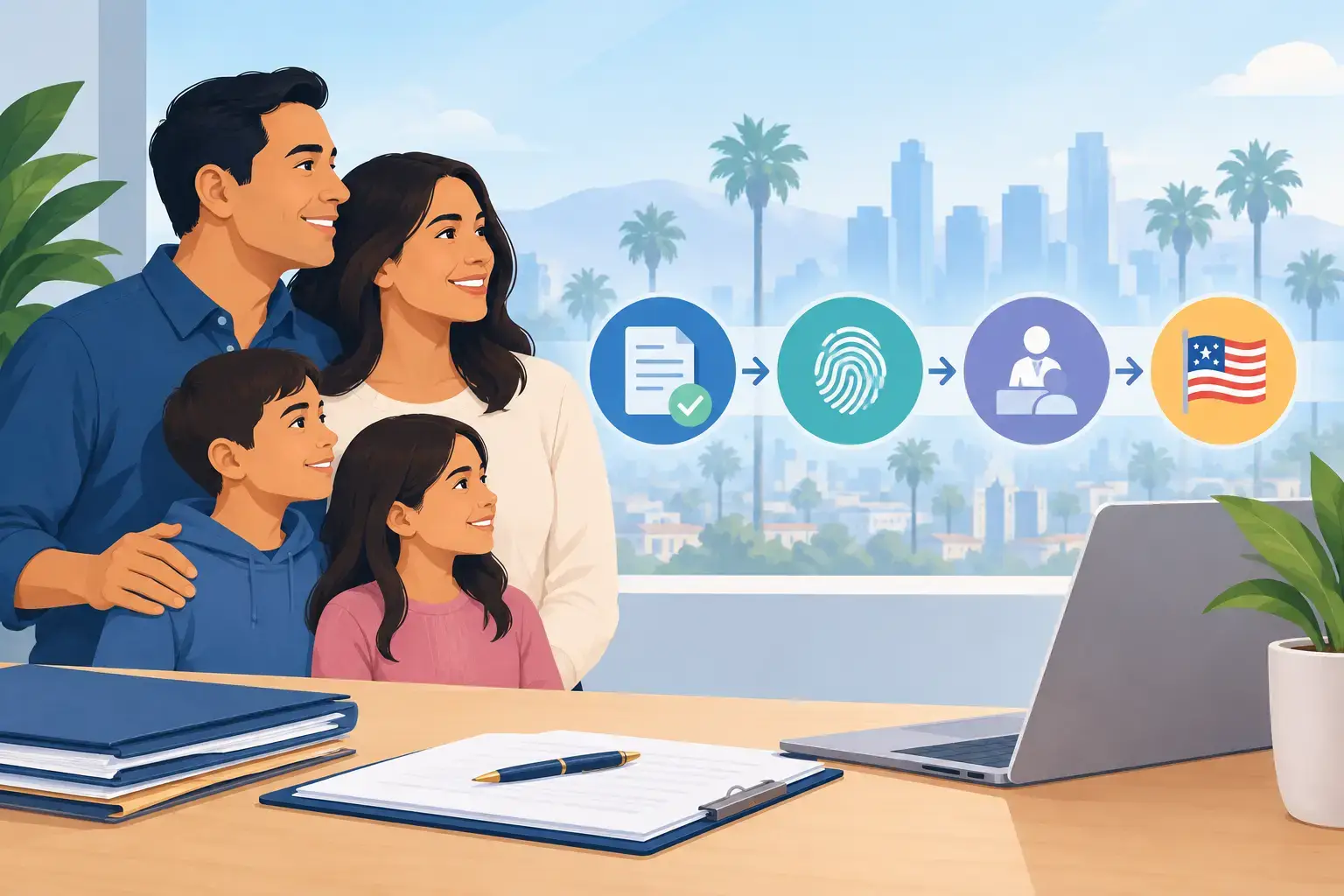
After you submit Form N-400, the wait can feel surprisingly long. You may check the mail, refresh your USCIS account, and wonder whether silence means something is wrong. In most cases, what happens after naturalization filing follows a set sequence: USCIS accepts the application, reviews it, may schedule biometrics, sends an interview notice, and later makes a decision. The timing and details can vary from one person to another.
First, USCIS Sends a Receipt Notice
Once USCIS accepts your naturalization application, it generally issues a receipt notice, often called Form I-797C, Notice of Action. This notice confirms that USCIS received your Form N-400 and assigned your case a receipt number.
Keep this notice in a safe place. Your receipt number allows you to check your case status through USCIS, and the notice may be useful if you need to contact the agency about your application. If you filed online, you may also see updates in your USCIS online account before a paper notice arrives.
A receipt notice is not an approval. It simply means USCIS has accepted the filing for processing. If there is a problem with the filing fee, signature, required information, or other basic filing requirement, USCIS may reject or return the application instead. That is one reason careful form preparation and document organization matter before filing.
USCIS May Reuse Biometrics or Schedule an Appointment
After naturalization filing, USCIS may use fingerprints and photographs already on file. If so, you may receive a notice stating that USCIS will reuse your biometrics. You usually do not need to attend an appointment when that happens.
In other cases, USCIS schedules a biometrics appointment at an Application Support Center. The notice will list the date, time, and location. Bring the appointment notice and the identification requested in the instructions. Biometrics are used for identity verification and background checks.
Do not ignore a biometrics notice. Missing an appointment without following the rescheduling instructions can delay your case. If the date creates a genuine conflict, review the notice carefully and act as soon as possible.
Your Case Moves Through Background and Eligibility Review
The period after biometrics can be the most uncertain because there may be few visible updates. USCIS reviews the information in your N-400, runs required background checks, and considers whether you meet the requirements for naturalization.
Processing time depends on the workload at the office handling the case, the circumstances of the application, and whether USCIS needs more information. A straightforward case may move faster than one involving a long travel history, name changes, prior immigration filings, missing records, or information that needs clarification.
During this stage, USCIS may send a Request for Evidence, often called an RFE, if it needs additional documents or an explanation. Read every notice closely. The notice should identify what USCIS is requesting and provide a response deadline. Responding with organized, complete materials by the deadline is essential.
Keep USCIS Updated if Something Changes
Your application reflects your circumstances on the day you filed, but changes can occur while the case is pending. A new address, extended trip outside the United States, change in marital status, arrest, citation, or other significant event may affect what information USCIS needs to review.
Address changes deserve quick attention because USCIS notices are time-sensitive. If you move, update your address according to USCIS procedures so important mail is not sent to your former home. Also keep copies of everything you submit or receive, including notices, correspondence, and supporting documents.
The Naturalization Interview Notice
When USCIS is ready for the next step, it sends an appointment notice for your naturalization interview. The notice identifies the field office, date, and time. In Southern California, travel time and traffic can make a morning appointment stressful, so plan ahead and arrive early.
The interview is usually conducted by a USCIS officer. The officer reviews your N-400 answers, asks questions about your background and eligibility, and checks original documents. The officer may ask about trips outside the country, current and prior addresses, family information, employment, taxes, selective service registration when applicable, and other answers on the form.
Before the interview, read through the exact N-400 that was filed. Be prepared to explain any changes since filing honestly and clearly. Bring the interview notice, your green card, state-issued identification, passport or travel documents, and any other original records listed in the appointment notice. The right documents depend on your circumstances, so use the notice and USCIS instructions as your starting point.
English and Civics Testing at the Interview
Most applicants take English and civics tests as part of the naturalization interview, unless they qualify for an exception or accommodation. The English portion generally includes speaking, reading, and writing. The civics portion tests knowledge of U.S. history and government using questions from the USCIS study materials.
Preparation makes a meaningful difference. Practice answering N-400 questions out loud in English, review the civics questions regularly, and work on reading and writing simple sentences. Do not wait for the interview notice to begin studying. Starting early can reduce pressure and give you time to identify areas that need more practice.
If you do not pass a portion of the English or civics test at the first interview, USCIS may schedule a second opportunity to take the portion you did not pass. The follow-up appointment is generally scheduled within a set period after the first interview. The interview notice or later USCIS notice will explain what comes next.
What Happens After the Naturalization Interview?
Some applicants receive a decision at the end of the interview. Others receive a notice later by mail or through their online account. USCIS may approve the application, continue the case while requesting more information, or issue another type of decision based on its review.
An approval means you are very close, but you are not a U.S. citizen until you take the Oath of Allegiance. If USCIS needs more documents, respond carefully and on time. If your interview was continued because USCIS needs more review, the next step may take time. Avoid assuming that no update means a negative result.
It is also possible for USCIS to schedule the oath ceremony on the same day as the interview, depending on the office and case. More commonly, USCIS sends a separate oath ceremony notice with the date, time, and location.
The Oath Ceremony Makes Citizenship Official
At the naturalization oath ceremony, you return your green card and take the Oath of Allegiance. After taking the oath, you receive your Certificate of Naturalization. Review the certificate before leaving the ceremony location. If you spot a spelling error or incorrect information, bring it to staff attention right away.
Your Certificate of Naturalization is an important original document. Store it securely and keep copies for your records. It may be needed for a U.S. passport application, updating your Social Security record, registering to vote, and other identity-related tasks.
After becoming a citizen, you may apply for a U.S. passport if you plan to travel internationally. A passport is generally the best evidence of U.S. citizenship for international travel. You may also be eligible to vote, and you can update records with employers, financial institutions, schools, and other organizations as needed.
A Practical Way to Stay Ready While You Wait
The best approach after filing is calm preparation. Keep your mail organized, monitor official USCIS notices, study for the civics and English requirements, and gather updated originals before the interview notice arrives. If you receive a notice you do not understand, do not set it aside until the deadline is near.
For individuals and families in Hemet, Vista, Riverside County, and San Diego County, Hemet Document Prep Center can help clients organize immigration paperwork and prepare forms at the client’s direction. Clear records and careful preparation cannot control a USCIS decision, but they can help you feel more prepared for each step ahead.
Naturalization is a major family milestone. Give each notice the attention it deserves, keep your documents together, and take the process one appointment at a time.
Hemet Document Prep Center is not a law firm. We are not attorneys and cannot provide legal advice or legal representation. We provide legal document preparation services at the client’s direction