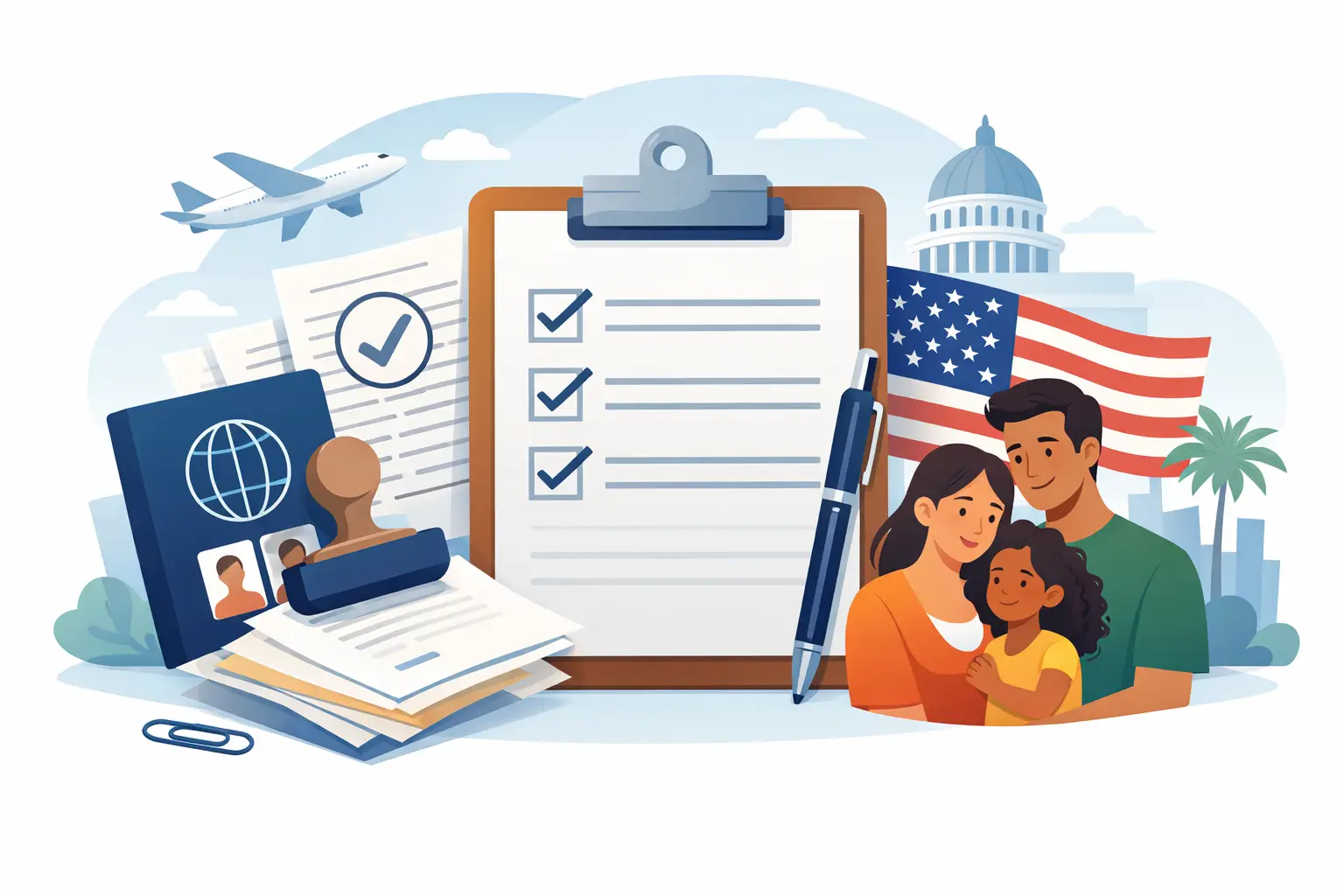
A missing travel date, an expired copy of a green card, or a name change document left in a drawer can slow down a naturalization filing before it ever reaches review. This citizenship application document checklist is designed to help permanent residents organize the records commonly needed for Form N-400 and feel more prepared for the next step toward U.S. citizenship.
Every case is personal. The documents you need depend on your immigration history, family situation, time outside the United States, and whether anything has changed since you received permanent resident status. The goal is not to submit every document you own. It is to provide clear, accurate records that support the answers in your application.
Start With the Form N-400 Information
Before gathering copies, review the questions on Form N-400 carefully. The application asks for details about your identity, address history, employment or school history, marital history, children, travel outside the United States, taxes, and any criminal or immigration issues.
Create one working folder for the information you will use to complete the form. Include your current legal name, prior names used, Alien Registration Number, Social Security number if you have one, and dates connected to marriages, divorces, moves, jobs, and trips abroad. Small inconsistencies can cause unnecessary questions later, so use official documents to confirm dates rather than relying only on memory.
If you are applying under the standard five-year rule, your preparation may look different from someone applying based on marriage to a U.S. citizen under the three-year rule. A lawful permanent resident who has spent substantial time outside the country may also need additional proof that continuous residence was maintained.
Citizenship Application Document Checklist: Core Records
Most applicants should begin with the documents that establish identity and lawful permanent resident status. Keep the originals in a safe place and prepare clear copies when copies are requested. Do not send original documents unless the government specifically asks for them.
Your core file will often include:
- A copy of the front and back of your Permanent Resident Card, also called a green card.
- A copy of a current government-issued photo identification, such as a state ID or driver’s license, if available.
- Copies of passports, travel documents, or reentry permits that help confirm international travel.
- Two passport-style photos if they are required for your filing situation.
- Records showing any legal name change, including a marriage certificate, divorce judgment, or court order.
A green card that is expired or will expire soon deserves attention before filing. The right next step depends on the details of your status and filing history. Do not assume an expired card means you cannot apply, but do make sure your paperwork accurately reflects your current situation.
Documents That May Apply to Your Case
Naturalization applications are not one-size-fits-all. USCIS may require supporting evidence for certain answers on Form N-400. Organizing these records early can prevent a rushed search after you have started the application.
If You Are Applying Through Marriage to a U.S. Citizen
Applicants using the three-year rule generally need evidence that they have been living in marital union with the same U.S. citizen spouse for the required period. This can include a copy of the spouse’s proof of U.S. citizenship, such as a U.S. birth certificate, U.S. passport, Certificate of Naturalization, or Certificate of Citizenship.
You may also need your marriage certificate and documents showing that prior marriages ended legally for either spouse. Depending on the facts of your household, records such as joint tax returns, leases, bank statements, insurance policies, utility bills, or children’s birth certificates may help show a shared marital life. The appropriate evidence depends on your circumstances, so avoid submitting a stack of unrelated papers without a clear reason.
If You Have Been Outside the United States
The N-400 asks for travel during the required residency period. Gather passports, airline itineraries, I-94 travel history if available, and a written travel list with departure and return dates. Be as accurate as possible.
Long trips can raise questions about continuous residence or physical presence. A trip of six months or more may require a closer review of the facts. Evidence of a U.S. home, employment, family ties, tax filing, or other continuing connections may be relevant. There is no benefit in guessing about travel dates. Check your records and disclose travel truthfully.
If You Have Ever Been Arrested, Cited, or Charged
Do not leave a past incident off the application because it was old, minor, dismissed, or resolved. Citizenship eligibility can be affected by criminal history, and the form requires careful disclosure. Gather certified court dispositions, arrest records when available, proof that probation or required programs were completed, and evidence of payment for fines or restitution.
A traffic ticket that did not involve arrest, alcohol, drugs, or a large fine may be treated differently from a criminal matter, but the details matter. If you are unsure how an incident should be reported or whether it affects eligibility, get qualified legal advice before filing. A document preparation service cannot provide legal advice or represent you as an attorney.
If You Owe Taxes or Support Payments
Applicants should be prepared to show that required taxes have been filed and that any payment arrangements are being followed. Collect federal tax transcripts or tax returns for the relevant years, along with proof of an approved payment plan if you owe money to the IRS.
If you have a court-ordered obligation to pay child support, spousal support, or another family support payment, keep records showing you are current or complying with an approved arrangement. These issues may relate to the good moral character review in a naturalization case.
If You Have a Disability Accommodation Request
Some applicants may request an accommodation for the biometrics appointment, interview, or oath ceremony. Others may qualify to submit Form N-648, Medical Certification for Disability Exceptions, when a physical, developmental, or mental impairment prevents them from meeting the English or civics requirements.
This is a specific process with detailed standards. Medical records alone are not a substitute for the required certification, and the timing of the request matters.
Organize the Packet So It Tells a Clear Story
A well-organized packet makes it easier to review your own information before filing. Use a simple order: application, filing fee or fee waiver request if applicable, identity and green card copies, then supporting documents grouped by topic. Label each section clearly and keep a complete copy of everything submitted.
Translations matter, too. If a document is not in English, it generally needs a full English translation with the required certification from the translator. Do not submit only a summary translation or rely on an informal explanation of what the document says.
Check that names, dates, and addresses match across the application and evidence. If they do not match because of a name change, a prior address, or an understandable error on an older record, include the document that explains the difference. Clear explanations are better than hoping a reviewer will make the connection.
Avoid the Most Common Filing Problems
Many citizenship delays begin with avoidable paperwork issues: leaving questions blank, using estimated travel dates without checking, forgetting prior marriages, failing to include required documents, or signing the wrong version of a form. Another common problem is using outdated instructions or fee information.
Review the current USCIS form, instructions, filing fee, and filing location immediately before submission. Government forms and requirements can change. If your facts involve prior removal proceedings, lengthy absences, criminal history, tax concerns, military service, or complicated family circumstances, an individualized legal review may be wise before you file.
Get Practical Help Before You Submit
For many families, the hardest part is not gathering one document. It is turning years of records into an accurate, organized application without overlooking a detail. Hemet Document Prep Center provides hands-on document preparation support for clients who want help organizing forms and supporting paperwork, with bilingual English-Spanish service and virtual consultation options.
Citizenship is a meaningful milestone. Give your application the care it deserves, keep copies of every record, and take the time to resolve questions before submission rather than after a delay notice arrives.