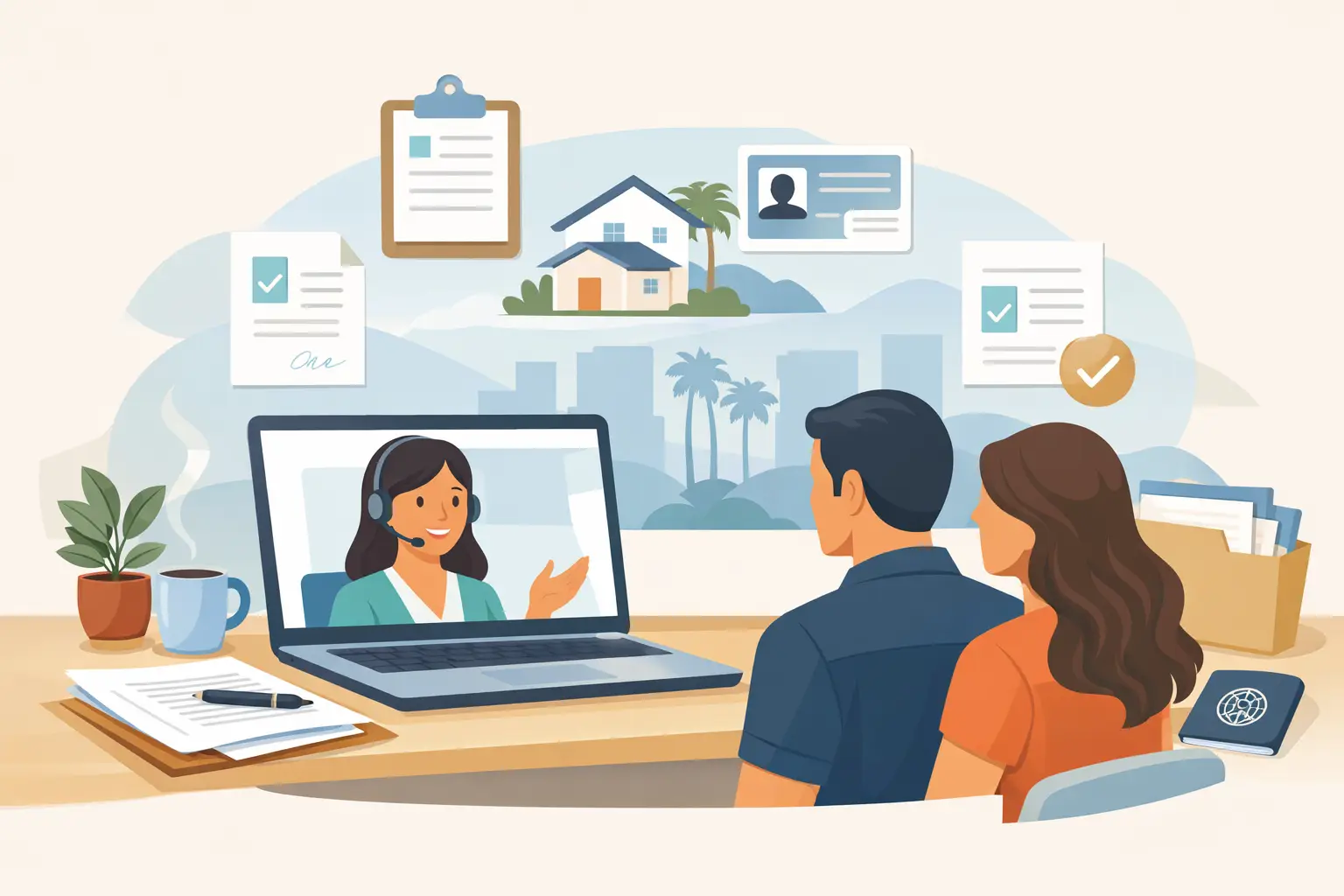
A missed signature, an outdated form, or a document filed in the wrong order can delay matters that already feel urgent. A virtual legal document preparation consultation gives individuals and families a practical way to discuss their paperwork needs from home, review what they have, and take the next organized step without adding a long drive or another stressful appointment to their day.
For people dealing with divorce paperwork, immigration forms, guardianship documents, eviction paperwork, or other administrative filings, the hardest part is often knowing where to begin. Virtual support brings the document-preparation process within reach while preserving the personal attention many clients want during an important transition.
What Happens During a Virtual Consultation?
A virtual consultation is a scheduled meeting by phone or video where you can explain the type of document matter you need help with and share the information relevant to your paperwork. It is designed to make the process clearer before forms are prepared, organized, and readied for filing at the client’s direction.
The conversation usually begins with the basics: the kind of matter involved, the documents you already have, important dates, and whether there are forms that still need to be completed. For example, a person preparing for a divorce may have court papers, financial information, and questions about which details need to appear consistently across the packet. A family working on an immigration matter may need help organizing identification records, notices, supporting documents, and completed government forms.
The goal is not to rush through a stack of papers. It is to identify what is available, what may still be needed, and how the document-preparation process can move forward in an orderly way. Clients can ask practical questions about appointments, document delivery, form organization, signatures, copies, and filing preparation.
Why Virtual Document Preparation Can Make a Difference
Paperwork is often delayed not because someone does not care, but because the task is intimidating. Court and government forms can use unfamiliar language, request precise dates, or require information to be repeated in several places. When life is already complicated by a family change, a housing concern, or an immigration deadline, even a small paperwork mistake can feel overwhelming.
Virtual appointments reduce some of that pressure. You can meet from a private place that works for you, gather records as you talk, and avoid taking extra time away from work, child care, or transportation responsibilities. This can be especially helpful for clients throughout Riverside County and San Diego County who may not be close to a physical office or may find an in-person visit difficult to arrange.
Virtual access does not have to mean impersonal service. A thoughtful consultation should leave you with a clearer understanding of the documents being prepared and the practical steps ahead. For many clients, having a dependable person help organize the process is as valuable as the convenience of meeting remotely.
Bilingual Support for English- and Spanish-Speaking Families
Clear communication matters when paperwork affects your family, home, or future. Clients should feel comfortable asking questions about what documents to gather and what information is being requested. Bilingual English-Spanish assistance can help reduce misunderstandings and make the preparation process more approachable for households where Spanish is the preferred language.
It is also helpful when family members are involved in gathering records or coordinating schedules. A virtual meeting can make it easier for the person completing the paperwork to participate from one location while another family member helps locate supporting documents from another.
Preparing for Your Virtual Legal Document Preparation Consultation
You do not need to have every answer before scheduling a consultation. In fact, many people reach out because they are unsure what their paperwork requires. Still, spending a little time preparing can make your appointment more productive and help prevent avoidable follow-up delays.
Start by gathering every document connected to your matter, even if you are not sure it is relevant. This may include prior filings, court notices, government correspondence, identification documents, receipts, leases, certificates, or records from a previous application. Keep original documents in a safe place and have readable copies or clear scans available when requested.
Write down important names, addresses, dates, and reference numbers before the appointment. Consistency matters. A date of birth, marriage date, move-out date, or case number that appears differently from one document to another can create confusion later. If you are uncertain about a date or spelling, say so rather than guessing.
It also helps to make a short list of your practical questions. You may want to know what information is still needed, how documents should be delivered, whether signatures are required, or what filing-preparation steps come next. Keeping the questions focused helps you leave the consultation with useful direction.
Choose a Private, Reliable Setting
Virtual consultations work best when you have a quiet setting and enough time to focus. Use a device with a working camera or phone connection, charge it beforehand, and keep your documents nearby. If you will be sending scans or photographs, check that the writing is readable and that all pages are included.
Privacy matters, too. Family-law, immigration, and housing documents may contain personal information. Choose a place where you can speak comfortably and avoid sending records through shared accounts or unsecured devices whenever possible.
Common Matters That Can Be Discussed Virtually
Virtual document-preparation consultations can be useful for many common life events and administrative needs. The right process depends on the forms involved, the information available, and the filing requirements for the matter.
For divorce and family-law paperwork, a consultation can help clients organize information for petitions, responses, disclosures, agreements, and related forms. When children, property, or support issues are part of the paperwork, careful document organization becomes even more important. Every situation is different, so the forms and timeline will depend on the specific facts and filing requirements.
For immigration and citizenship matters, families may need support preparing and organizing forms for residency, renewals, citizenship, and other immigration-related applications. These packets often require careful attention to personal history, supporting records, translations where appropriate, and current government forms. A consultation helps establish what documentation is available and what needs to be gathered before preparation begins.
Guardianship paperwork can be especially sensitive because it may involve a child or vulnerable family member. Virtual meetings allow caregivers to discuss the records they have and coordinate preparation from home. Landlords may also use virtual appointments to organize documents connected to eviction procedures, notices, and filing preparation.
When an In-Person Appointment May Be Better
Virtual service is convenient, but it is not always the best choice for every client. An in-person appointment may be more comfortable if you have a large volume of original documents, limited access to technology, difficulty scanning paperwork, or a situation that requires extensive document sorting. Some clients simply prefer sitting down face-to-face with their paperwork spread out on a table.
The good news is that the choice does not have to be all or nothing. A client may begin with a virtual consultation, send documents for review and preparation, then arrange an in-person visit if originals or additional organization are needed. The best approach is the one that helps you provide accurate information and stay engaged in the process.
Choosing a Dependable Document Preparation Center
When paperwork carries real consequences, experience and communication should matter. Look for a document preparation center that explains its process in plain language, is responsive when documents are needed, respects your privacy, and does not pressure you into services you do not need.
At Hemet Document Prep Center, clients can receive practical, personalized document-preparation support backed by more than 25 years of experience. Virtual consultations are available for people who need a more flexible way to begin, continue, or organize their paperwork. The focus is on helping clients move forward with documents prepared at their direction and with the care their situation deserves.
If paperwork has been sitting on your kitchen table because the next step feels unclear, a virtual consultation can turn a stressful pile of documents into a manageable plan. Start with the records you have, ask the questions that matter most, and give yourself a more organized path forward.
Hemet Document Prep Center is not a law firm. We are not attorneys and cannot provide legal advice or legal representation. We provide legal document preparation services at the client’s direction