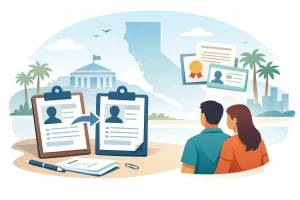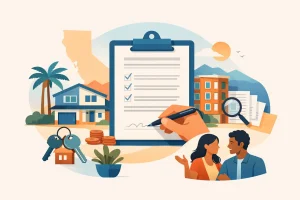
A form can look simple until one unanswered question holds up a divorce filing, an immigration renewal, or a guardianship request. For many Spanish-speaking families, the challenge is not just finding Spanish legal forms. It is understanding what information belongs on the form, gathering the right documents, and preparing everything in the format the receiving agency expects.
Clear, bilingual document preparation can make that process less stressful. It gives clients space to ask questions in the language they are most comfortable using, review information carefully, and move forward with organized paperwork at their direction.
Spanish Legal Forms Are Not Always Available in Spanish
Many people assume that if they speak Spanish, every government or family-law form will be available in Spanish. Sometimes a Spanish-language version, translation, or instruction sheet is available. In other cases, however, the official form must be completed and submitted in English, even when the client provides the information in Spanish.
That difference matters. A Spanish reference copy may help a person understand the questions, but it may not be the version accepted for filing. Requirements also vary by agency, court, county, and type of matter. Using the wrong version, leaving sections incomplete, or attaching documents in the wrong order can lead to delays or requests for additional information.
Bilingual assistance helps bridge that gap. The goal is not to rush through unfamiliar language. It is to make sure the client understands what information is being requested and can provide accurate details for the official paperwork.
When Bilingual Form Preparation Can Help
Spanish-speaking clients often need support during a major family, housing, or immigration transition. The paperwork may be lengthy, use unfamiliar terms, and require information from several years ago. It can also ask for names, dates, addresses, financial records, or prior filing details that must match supporting documents.
For divorce and family-law paperwork, clients may need help organizing information about children, income, property, debts, service documents, and filing steps. In guardianship matters, caregivers may need to collect family details and supporting records while managing an urgent situation involving a child or loved one.
Immigration and citizenship forms can require careful attention to travel history, address history, family information, employment details, and prior immigration documents. A small inconsistency can create confusion later, so it is wise to review entries carefully before a package is prepared for submission.
Landlords and property owners may also need assistance preparing eviction-related paperwork. These matters can involve strict notices, deadlines, and proof of service requirements. The documents should be prepared based on the client’s specific situation and reviewed for completeness before the next step is taken.
The Difference Between Translation and Document Preparation
Translation and document preparation are related, but they are not the same service. A translation converts words from one language to another. Document preparation focuses on completing, organizing, and preparing forms based on the information a client provides.
For example, a client may understand a form better in Spanish but still need the official English version completed for filing. They may also need help organizing copies of identification, notices, prior orders, financial documents, or immigration records. Having those papers sorted before filing can reduce last-minute confusion and make it easier to identify missing items.
Some matters require certified translations of supporting documents. Whether that is needed depends on the receiving agency and the documents involved. It is best to verify the current instructions for the specific filing rather than assuming every Spanish-language document needs the same treatment.
Start With Complete and Consistent Information
The most effective way to prepare Spanish legal forms is to begin with the facts. Before an appointment or virtual consultation, gather the paperwork connected to your situation. Bring or upload prior filings, notices, identification, correspondence, and any documents that contain names, dates, or case numbers.
Pay particular attention to spelling. Names should be written consistently across forms and supporting documents. If a name has changed because of marriage, divorce, or another reason, keep records that explain the difference. Dates of birth, entry dates, addresses, and prior case numbers should also be checked carefully.
If you do not know an answer, do not guess. A guess can create more work later. Instead, identify the missing information and take time to locate it. This may mean reviewing old records, contacting an agency for a copy of a notice, or asking a family member for details needed to complete the paperwork.
Questions to Ask Before You File
A well-prepared packet begins with practical questions. Is this the current version of the form? Does the form need original signatures? Are copies required? Is there a filing fee, fee waiver request, or separate cover sheet? Does the agency require a translation, passport-style photos, proof of service, or supporting evidence?
These questions are especially useful because filing rules can change. Instructions for one type of form may not apply to another, and requirements can differ between Riverside County, San Diego County, and federal agencies. Taking time to confirm the correct process is often easier than trying to fix a rejected or incomplete submission.
It also helps to keep a complete copy of everything submitted. Store documents in a folder, clearly label digital files, and save receipts or confirmation numbers. For mailed paperwork, retain proof of delivery when available. Good records make it easier to respond if an agency requests more information.
A More Comfortable Way to Handle Difficult Paperwork
Paperwork becomes more intimidating when a person feels embarrassed to ask for clarification. Bilingual support creates a more comfortable setting for clients who prefer to communicate in Spanish, English, or both. It can be particularly helpful for families when more than one person needs to understand the documents, but not everyone is equally confident reading English.
At Hemet Document Prep Center, clients can receive professional document preparation support in English and Spanish, including virtual consultations for those who cannot easily visit a location. With more than 25 years of document preparation experience, the focus is practical: listen carefully, prepare documents at the client’s direction, organize the packet, and explain the next administrative steps in plain language.
This type of support is not one-size-fits-all. A straightforward renewal may require only a few documents, while a family-law filing or immigration packet may take more time to organize. The right approach depends on the form, the filing requirements, and the records a client already has available.
Give Yourself Time Before a Deadline
Waiting until the last day can turn manageable paperwork into an emergency. If you have received a notice, have an upcoming filing deadline, or know that a renewal is approaching, start collecting records as soon as possible. Early preparation leaves time to request missing documents, correct errors, and review the final packet carefully.
For Spanish legal forms, the best next step is often a simple one: bring the notice or form you received, explain your goal, and ask what documents may be needed to prepare your paperwork. Clear information, organized records, and bilingual communication can help you approach an important filing with greater confidence.
Hemet Document Prep Center is not a law firm. We are not attorneys and cannot provide legal advice or legal representation. We provide legal document preparation services at the client’s direction